Why Exercise Matters for Senior Independence
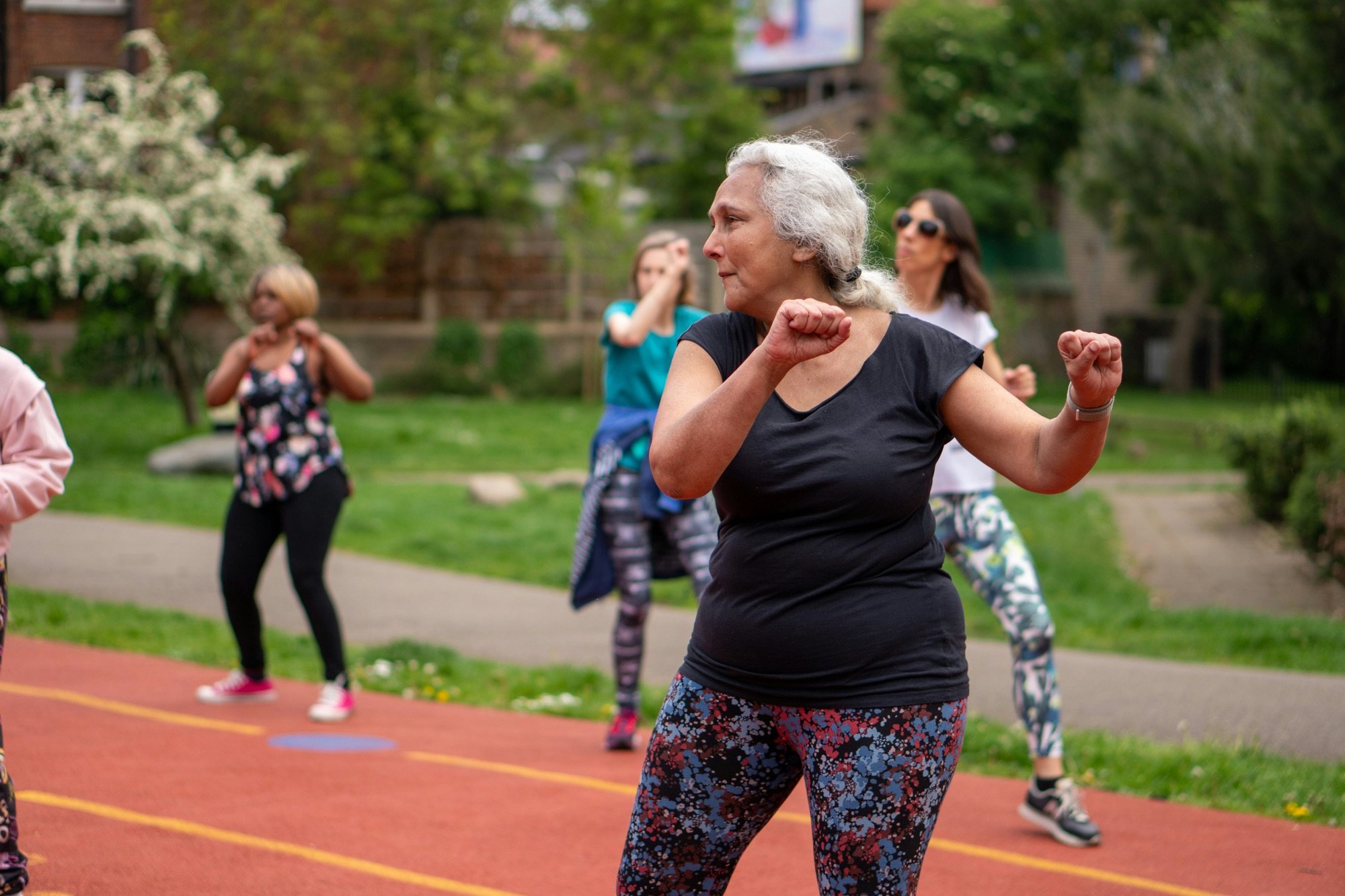
Regular exercise offers numerous benefits for seniors, including improved mobility, balance, and strength, all of which are essential for maintaining independence. According to the Centers for Disease Control and Prevention (CDC), physical activity can help manage and prevent chronic diseases, reduce the risk of falls, and improve mental health and cognitive function.
Key Benefits of Exercise for the Aging Community
-
Enhanced Mobility and Flexibility:
-
Regular stretching and low-impact aerobic exercises improve flexibility and joint health, making it easier for seniors to perform daily tasks.
-
Increased Strength:
- Strength training exercises help maintain muscle mass and bone density, crucial for activities like walking, lifting, and carrying objects.
-
Better Balance:
- Balance exercises reduce the risk of falls, a common concern for seniors.
-
Improved Mental Health:
- Physical activity releases endorphins, which can alleviate symptoms of depression and anxiety.
Recommended Exercises for Senior Independence
1. Aerobic Exercises
Aerobic exercises are vital for cardiovascular health and overall stamina. They are especially beneficial for senior individuals as they help maintain a healthy weight and improve heart health.
Walking:
Walking is one of the simplest and most effective forms of exercise. It requires no special equipment and can be done anywhere.
-
Tips for Implementation:
- Start with short, manageable walks and gradually increase the duration.
- Encourage walking in safe, familiar areas.
- Consider using walking aids if necessary to ensure safety.
Swimming:
Swimming is a low-impact exercise that is gentle on the joints while providing a full-body workout.
-
Tips for Implementation:
- Check for local pools with senior-friendly schedules.
- Join water aerobics classes designed for the elderly.
- Always ensure supervision to prevent accidents.
2. Strength Training
Strength training exercises help build and maintain muscle mass, which is essential for the elderly to perform everyday activities independently.
Resistance Bands:
Resistance bands are an excellent tool for strength training as they are easy to use and can be adapted for various fitness levels.
-
Tips for Implementation:
- Start with light resistance and gradually increase as strength improves.
- Focus on exercises that target major muscle groups.
- Ensure proper form to avoid injuries.
Bodyweight Exercises:
Bodyweight exercises like squats, lunges, and push-ups can be done at home without any equipment.
-
Tips for Implementation:
- Modify exercises to match individual abilities.
- Use support, such as a chair or wall, if needed.
- Perform these exercises regularly for best results.
3. Flexibility and Balance Exercises
Maintaining flexibility and balance is crucial for preventing falls and ensuring the ability to perform daily tasks.
Stretching:
Regular stretching exercises improve flexibility, reduce muscle stiffness, and enhance mobility.
-
Tips for Implementation:
- Perform gentle stretches daily.
- Focus on all major muscle groups.
- Hold each stretch for 15-30 seconds.
Tai Chi:
Tai Chi is a gentle form of martial arts that improves balance and coordination.
-
Tips for Implementation:
- Join a local Tai Chi class tailored for seniors.
- Practice regularly.
- Focus on slow, controlled movements and deep breathing.
4. Mind-Body Exercises
Mind-body exercises combine physical movement with mental focus, offering holistic benefits for seniors.
Yoga:
Yoga promotes flexibility, strength, and mental clarity through physical poses, breathing exercises, and meditation.
-
Tips for Implementation:
- Choose gentle yoga classes designed for seniors.
- Use props to modify poses as needed.
- Focus on slow, controlled movements and deep breathing.
Meditation and Breathing Exercises:
Meditation and deep breathing exercises can help reduce stress and improve mental clarity.
-
Tips for Implementation:
- Practice daily, even if only for a few minutes.
- Create a quiet, comfortable environment.
- Use guided meditation apps or recordings.
Conclusion
Exercise is essential for maintaining the independence of our senior loved ones. By incorporating aerobic activities, strength training, flexibility and balance exercises, and mind-body practices, they can improve their physical health, mental well-being, and overall quality of life. Encouraging regular physical activity is a powerful way to support their independence and help them enjoy their golden years to the fullest.
Resources
- Centers for Disease Control and Prevention. (n.d.). Physical Activity for Older Adults. Retrieved from CDC.gov.
- National Institute on Aging. (n.d.). Exercise and Physical Activity: Your Everyday Guide from the National Institute on Aging. Retrieved from NIA.NIH.gov.
- Johnson, Sarah. “Regular Exercise and Elderly Independence.” Journal of Geriatric Health, vol. 15, no. 2, 2023, pp. 105-112.